

Book a Flight to Leros from €53
expand_more
1 Passenger, Economy
expand_morePromotional Code
expand_moreexpand_more
today
today
To book tickets for children traveling alone click here
Find the lowest fares to Leros
flight_takeoff
flight_land
€
Athens (ATH)to
Leros (LRS)18/02/2027 - 11/03/2027
Starting from
€78
Seen: 20 hours ago
Round-trip
Economy
Thessaloniki (SKG)to
Leros (LRS)06/02/2027 - 18/02/2027
Starting from
€208
Seen: 20 hours ago
Round-trip
Economy
*Fares displayed have been collected within the last 48hrs and may no longer be available at time of booking. Additional fees and charges for optional products and services may apply.
AEGEAN popular flights to Leros
flight_takeoff
flight_land
€
Athens (ATH)to
Leros (LRS)
Departing: 02/03/2027
One-way fare
Economy
Starting from
€53
Seen: 18 hours ago
Athens (ATH)to
Leros (LRS)
Departing: 30/03/2027
One-way fare
Economy
Starting from
€56
Seen: 2 hours ago
Athens (ATH)to
Leros (LRS)
Departing: 02/03/2027
One-way fare
Economy
Starting from
€60
Seen: 18 hours ago
Athens (ATH)to
Leros (LRS)
Departing: 29/03/2027
One-way fare
Economy
Starting from
€60
Seen: 1 hour ago
Athens (ATH)to
Leros (LRS)
Departing: 30/03/2027
One-way fare
Economy
Starting from
€61
Seen: 2 hours ago
Athens (ATH)to
Leros (LRS)
Departing: 09/05/2027
One-way fare
Economy
Starting from
€64
Seen: 16 hours ago
Athens (ATH)to
Leros (LRS)
Departing: 02/03/2027
One-way fare
Economy
Starting from
€65
Seen: 18 hours ago
Athens (ATH)to
Leros (LRS)
Departing: 10/12/2026
One-way fare
Economy
Starting from
€53
Seen: 42 minutes ago
Athens (ATH)to
Leros (LRS)
Departing: 12/12/2026
One-way fare
Economy
Starting from
€61
Seen: 42 minutes ago
Athens (ATH)to
Leros (LRS)
Departing: 17/12/2026
One-way fare
Economy
Starting from
€61
Seen: 42 minutes ago
*Fares displayed have been collected within the last 48hrs and may no longer be available at time of booking. Additional fees and charges for optional products and services may apply.

Plan your Trip to Leros
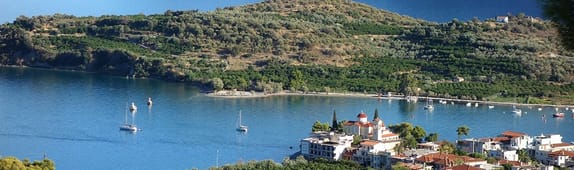
A small and very special island in the south-east corner of the Aegean, Leros has sailed into the 21st century proudly and untouched by mass tourism. A place that wins your heart bit by bit as it reveals its secrets along the pristine beaches, quaint villages and monuments scattered along the coast and inland. Since the beginning and because of its strategic position, Leros has been a bone of contention for many conquerors until it was incorporated by Greece in 1948. A living museum of World War II, it was the setting for one of the toughest and bloodiest battles during the 1940s. In recent years, Leros has been quietly gaining popularity as a tourist destination, attracting mainly visitors looking for a peaceful and relaxing holiday with a difference. Book a seat for Leros with Aegean Airlines and discover a destination that will surprise you.
Leros
Leros is the ninth largest island in the Dodecanese with unique architecture and natural riches. Climb up to the castle to enjoy the amazing view of Leros and Aegean Sea and choose your own path to a quiet bay with golden sands and crystal-clear waters.


