
Book a Flight to Kithira from €46
expand_more
1 Passenger, Economy
expand_morePromotional Code
expand_moreexpand_more
today
today
To book tickets for children traveling alone click here
Find the lowest fares to Kithira
flight_takeoff
flight_land
€
Athens (ATH)to
Kithira (KIT)30/11/2026 - 07/12/2026
Starting from
€68
Seen: 9 hours ago
Round-trip
Economy
Thessaloniki (SKG)to
Kithira (KIT)14/05/2027 - 19/05/2027
Starting from
€201
Seen: 20 hours ago
Round-trip
Economy
*Fares displayed have been collected within the last 48hrs and may no longer be available at time of booking. Additional fees and charges for optional products and services may apply.
AEGEAN popular flights to Kithira
flight_takeoff
flight_land
€

Athens (ATH)to
Kithira (KIT)
Departing: 30/11/2026
One-way fare
Economy
Starting from
€46
Seen: 9 hours ago
Athens (ATH)to
Kithira (KIT)
Departing: 14/12/2026
One-way fare
Economy
Starting from
€46
Seen: 9 hours ago
Athens (ATH)to
Kithira (KIT)
Departing: 23/11/2026
One-way fare
Economy
Starting from
€48
Seen: 9 hours ago
Athens (ATH)to
Kithira (KIT)
Departing: 11/12/2026
One-way fare
Economy
Starting from
€48
Seen: 9 hours ago
Athens (ATH)to
Kithira (KIT)
Departing: 20/11/2026
One-way fare
Economy
Starting from
€48
Seen: 13 hours ago
Athens (ATH)to
Kithira (KIT)
Departing: 27/11/2026
One-way fare
Economy
Starting from
€50
Seen: 21 minutes ago
Athens (ATH)to
Kithira (KIT)
Departing: 07/12/2026
One-way fare
Economy
Starting from
€50
Seen: 9 hours ago
Athens (ATH)to
Kithira (KIT)
Departing: 15/01/2027
One-way fare
Economy
Starting from
€50
Seen: 9 hours ago
Athens (ATH)to
Kithira (KIT)
Departing: 25/01/2027
One-way fare
Economy
Starting from
€50
Seen: 9 hours ago
Athens (ATH)to
Kithira (KIT)
Departing: 18/01/2027
One-way fare
Economy
Starting from
€53
Seen: 9 hours ago
*Fares displayed have been collected within the last 48hrs and may no longer be available at time of booking. Additional fees and charges for optional products and services may apply.
Plan your Trip to Kithira
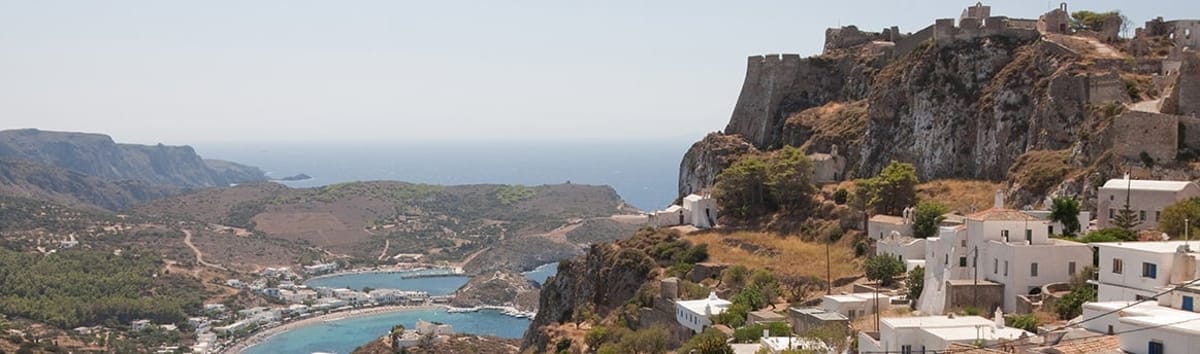
Between south Peloponnese and Crete, Kythira - or “Tsirigo” - look like a piece of land that got astray from the mainland that used to connect Greece with Megalonisos. This is portrayed on the special landscape of the island, where steep rocks alternate with verdant gorges and sandy beaches. During its history, the island was a crossroads of many civilisations. The marks and influences left on the island by its residents - Pirates, Byzantines, Venetians, English - are revealed on the monuments, the special architecture that combines items of the Aegean and the Venetian school and the traditions that are preserved to this day. Fly with Aegean Airlines to Kythira and discover the island that inspired poets and artists like Baudelaire and Watteau and continues to fascinate travellers seeking alternative holidays.


